

Application modernization means updating old software so your business can change it again. You have four strategies, ranked here from lowest risk to highest. Rehost the application on current servers. Wrap it with integrations so other tools can reach its data. Rebuild it one workflow at a time while the old system keeps running. Rewrite the whole thing from scratch. The full rewrite belongs at the bottom of the list, and most companies never need it.
The word legacy scares owners into overbuying. A legacy system is any software your business depends on but can no longer safely change. Vendors hear that phrase and quote a yearlong rewrite. I spent years at McKinsey watching large companies fund exactly those programs. The pattern repeats at every size: the rewrite runs long, the old system runs on, and the business pays for both. This guide covers legacy application modernization for companies of 10 to 200 people, where the stakes are your own money.
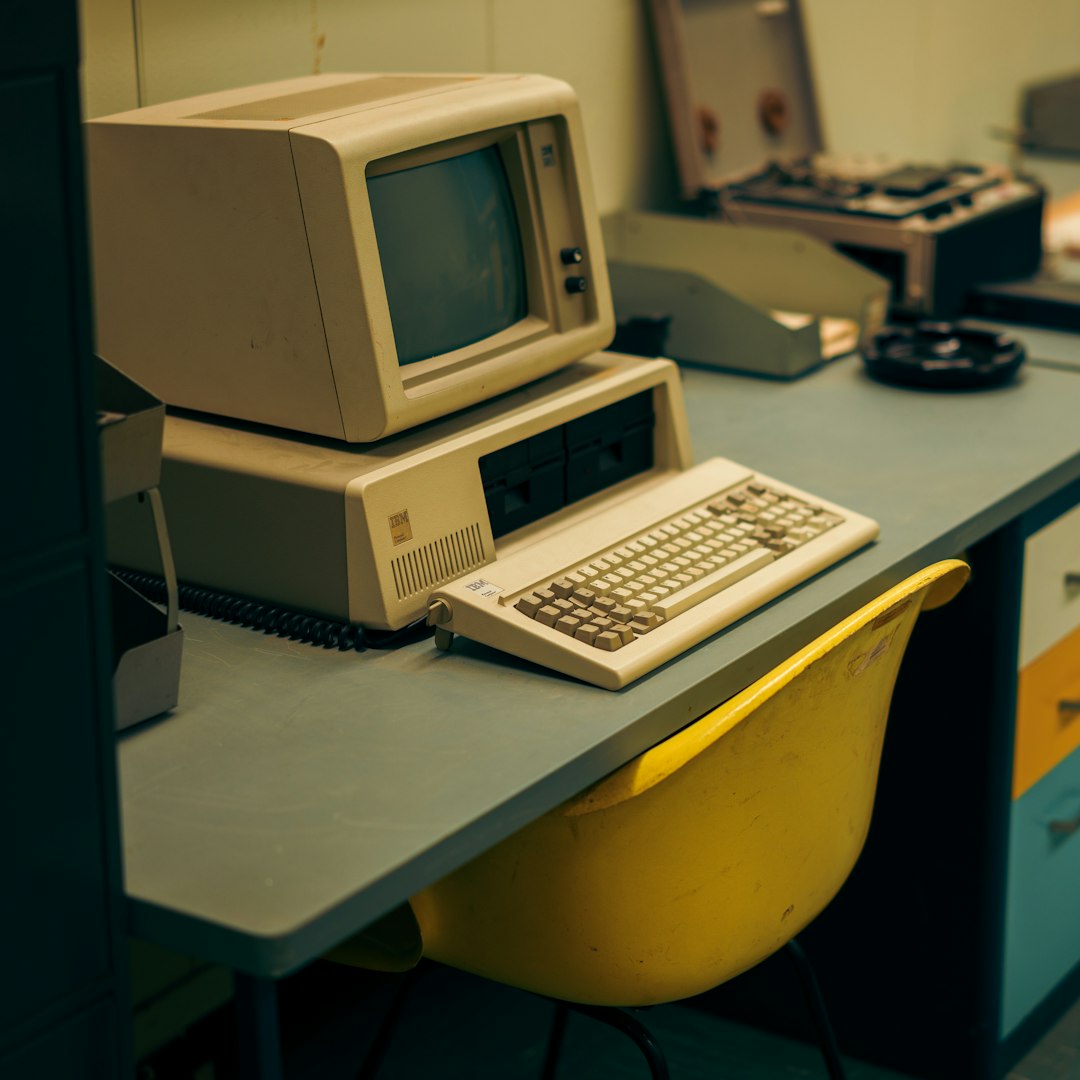
Your Legacy System Is Probably Not a Mainframe
Most writing about legacy systems describes banks and airlines. That is why the advice feels useless. In mid-market companies, legacy looks ordinary. It is the Rails or PHP app a vendor built in 2014 and then abandoned. It is the Access database on one office PC that three departments query. It is the VBA workbook only one employee can edit. Often it is a plain spreadsheet that quietly became the company database. That last one is the most common legacy system we modernize.
The test for legacy status has nothing to do with age. Ask two questions of any system. Can we change it without fear? Can more than one person maintain it? Two nos mean you have a legacy system, even if the software is five years old. The cost shows up as workarounds: retyping data between tools, exporting to Excel for every report, and telling customers a feature is impossible.
An Application Modernization Strategy, Ranked by Risk
Legacy modernization has four standard strategies. Consultants dress them up with framework names. The useful version is a risk ladder. Start at the top, and only climb down when the cheaper rung fails a specific test. A written application modernization strategy can be one page: the rung you chose, the test it passed, and the first workflow you will touch.
1. Rehost: move it, do not touch it
Rehosting moves the application to current servers without changing the code. This fixes exactly one class of problem: the hardware or hosting is dying. An app on an office PC, an expired server contract, or an operating system past its support date all qualify. Rehosting takes days, and the risk is low. It buys time. It does nothing about the software itself, so treat it as the first step, never the plan.
2. Wrap it with integrations
Wrapping leaves the old system in place and connects it to the tools around it. A small integration reads its data on a schedule and pushes records where they need to go. The old app keeps doing its job. Your team stops retyping. This works when the system's core logic is still correct and the pain is isolation. It fails when the system itself blocks the business, because a wrapper cannot add features the core lacks.
3. Rebuild one workflow at a time
This is the strangler-fig pattern: build the replacement in pieces alongside the old system. Pick the single most painful workflow. Build a small database-backed app for that workflow alone, sync the data both need, and move the team over. The old system keeps handling everything else. Each following month, another workflow moves. The old system shrinks until switching it off is boring. Every step is small enough to reverse, which is what makes this the default choice for legacy system modernization.
4. Full rewrite, last and rarely
A full rewrite replaces the whole system in one project and one cutover. It is the highest-risk rung, and the one vendors quote first because it bills the most. A rewrite makes sense in narrow cases: the old data model is wrong at the foundation, or a compliance deadline forces a hard date. Even then, insist on staged delivery. If a vendor proposes a rewrite before mapping your workflows, get a second opinion.
Why the Yearlong Rewrite Fails
The big-bang rewrite fails for reasons that have nothing to do with the vendor's talent. The spec is written from memory instead of from the running system, so it misses the edge cases the old system quietly handles. The business keeps changing during the year, so the target moves. Nothing ships until everything ships, so nobody catches mistakes until month ten. Then comes cutover weekend, when every user moves at once and every surprise arrives at once.
Meanwhile the old system still runs, because the business cannot stop. You pay to maintain the legacy system and to build its replacement at the same time. As of this writing, traditional rewrite quotes for a real business application commonly reach six figures. The rebuild-one-workflow route exists precisely to break that shape: something useful ships in the first weeks, and the spec for each piece is the old system's actual behavior. The same rule applies to platform programmes; see what a digital transformation platform is and whether a mid-market business needs one.
What Application Modernization Services Should Include
Application modernization services vary wildly in what they actually deliver. Whether the label says legacy modernization services or app modernization consulting, the engagement should include five concrete things. First, an assessment that maps your workflows and data before anyone quotes a strategy. Second, a data migration plan with a rehearsal run, because your history is the asset being protected. Third, a period where old and new run side by side with data kept in sync. Fourth, code and data ownership in your name, in writing. Fifth, a maintenance quote for after launch, so the new system does not become the next legacy system.
One more filter saves the most money. Ask the vendor which rung of the risk ladder they recommend and why. A firm that only sells rewrites will find that every problem needs one. Legacy software modernization done well usually means a smaller project than the one you were quoted.
How AI-Built Modernization Changes the Math
The strangler-fig route was always the safest strategy. It used to be the slowest, because rebuilding each workflow meant weeks of hand-written code. AI-built development changes that step. An AI coding agent, supervised by engineers, rebuilds a single workflow as a database-backed web app in days. The spec is whatever your legacy system already is: for a VBA workbook or a spreadsheet, the file itself is the requirements document. That is our approach at LlamaPress, and the economics land in the low thousands of dollars per workflow, working software in days.
This is how it works in practice. We keep one field-service company's 2019-era Rails application running in production, with its live paying users, while newer tools are built alongside it. Nobody paused the business. Nobody scheduled a cutover weekend. The old app does less each quarter, and the new tools do more.
Honesty about the boundaries: if your problem is dying hardware, a rehost by your IT provider is enough, and you do not need us. If a mainstream SaaS tool matches your process closely, buy it. Our work starts where the process is yours and the system holding it has stopped moving. If the legacy system is an Excel or VBA workbook, start with our guide to converting Excel VBA to web applications or upload the file at Excel to App. If you are weighing a modernization against buying new software outright, read when off-the-shelf stops fitting. And our services page explains how an engagement runs.
Modernize without stopping the business.
Tell us what system you run today and where it hurts. We will map it to a rung on the risk ladder and show you a working replacement for the first workflow before you commit to anything.
Prefer to start with a message? Contact us and tell us what you run today.
Frequently Asked Questions
What is application modernization?
Application modernization is the work of updating old software so a business can safely change it again. The four standard strategies, from lowest risk to highest, are rehosting it on current servers, wrapping it with integrations, rebuilding it one workflow at a time, and rewriting it from scratch. The right strategy depends on whether the pain is the hosting, the isolation, or the system itself.
What counts as a legacy system?
A legacy system is any software a business depends on but can no longer safely change. Age alone does not decide it. An abandoned web app, an Access database, a VBA workbook, and a spreadsheet used as the company database all qualify. The tests are simple: can you change it without fear, and can more than one person maintain it.
Do I have to rewrite my legacy application from scratch?
Usually not. A full rewrite is the highest-risk strategy and should be the last one considered. Most mid-market systems respond better to a staged rebuild: replace the most painful workflow first, keep the old system running for everything else, and repeat. Reserve the full rewrite for a broken data model or a hard compliance deadline.
How long does legacy application modernization take?
Traditional rewrite projects commonly run a year or more, as of this writing. A staged, AI-built approach delivers the first working workflow in days and moves the rest over a period of weeks to months, at the pace your team can absorb. The old system keeps running throughout, so there is no cutover weekend.
How much does application modernization cost?
The strategy sets the price. A rehost is a small IT project. Traditional full rewrites of a real business application commonly reach six figures, as of this writing. AI-built staged rebuilds usually land in the low thousands of dollars per workflow, because an AI coding agent writes the code while engineers supervise. Always get the maintenance cost quoted alongside the build cost.